



Sustainable Construction: Building Modern Structures with Environmental Responsibility
The construction industry plays a vital role in economic development, urbanisation, and infrastructure growth. However, as cities expand and demand for modern buildings increases, the need to minimise environmental impact has become more important than ever. Sustainable construction offers a practical approach to meeting today’s building needs while protecting natural resources and creating healthier spaces for future generations.
At Evita McCray Construction (U) LTD, we recognise the importance of responsible construction practices in shaping a more sustainable built environment. By embracing environmentally conscious building methods, efficient resource management, and durable construction solutions, the industry can contribute to long-term development without compromising the needs of future generations.
What Is Sustainable Construction?
Sustainable construction refers to the planning, design, construction, and maintenance of buildings and infrastructure in ways that reduce environmental impact while promoting economic and social well-being.
It involves making informed decisions throughout the construction process, from selecting building materials and managing waste to improving energy efficiency and conserving water. The goal is to create structures that are functional, durable, cost-effective, and environmentally responsible.
Rather than focusing solely on the immediate cost of construction, sustainable building considers the entire lifecycle of a structure, including its long-term maintenance, operating costs, and environmental footprint.
Why Sustainable Construction Matters
As the demand for residential, commercial, and industrial developments grows, responsible construction practices are essential for addressing environmental challenges and supporting sustainable urban development.
Some of the key benefits include:
1. Reducing Environmental Impact
Construction activities can contribute to pollution, excessive resource consumption, and the accumulation of waste. Sustainable construction helps minimise these impacts through careful site planning, responsible material sourcing, and effective waste management.
By reducing unnecessary material use and protecting surrounding ecosystems, construction projects can contribute to a cleaner and healthier environment.
2. Improving Energy Efficiency
Energy-efficient buildings are designed to use less energy for lighting, cooling, heating, and other daily operations. This can be achieved through thoughtful building orientation, natural lighting, effective ventilation, suitable insulation, and energy-efficient equipment.
In Uganda, where natural daylight is abundant, incorporating designs that maximise daylight and airflow can help reduce reliance on artificial lighting and mechanical cooling while improving indoor comfort.
3. Conserving Water Resources
Water conservation is another important aspect of sustainable construction. Buildings can incorporate rainwater harvesting systems, water-efficient fixtures, and appropriate drainage solutions to reduce water wastage.
Proper water management also helps protect surrounding areas from drainage-related problems and supports more responsible use of available water resources.
4. Reducing Long-Term Operating Costs
Although some sustainable building solutions may require a higher initial investment, they can deliver long-term savings through reduced energy and water consumption, improved durability, and lower maintenance requirements.
For property owners and businesses, these efficiencies can improve the overall value and performance of a building throughout its useful life.
Key Practices for Sustainable Construction
Achieving sustainability requires practical measures at every stage of a construction project. The following approaches can help create modern structures that balance performance, cost, and environmental responsibility.
Responsible Selection of Building Materials
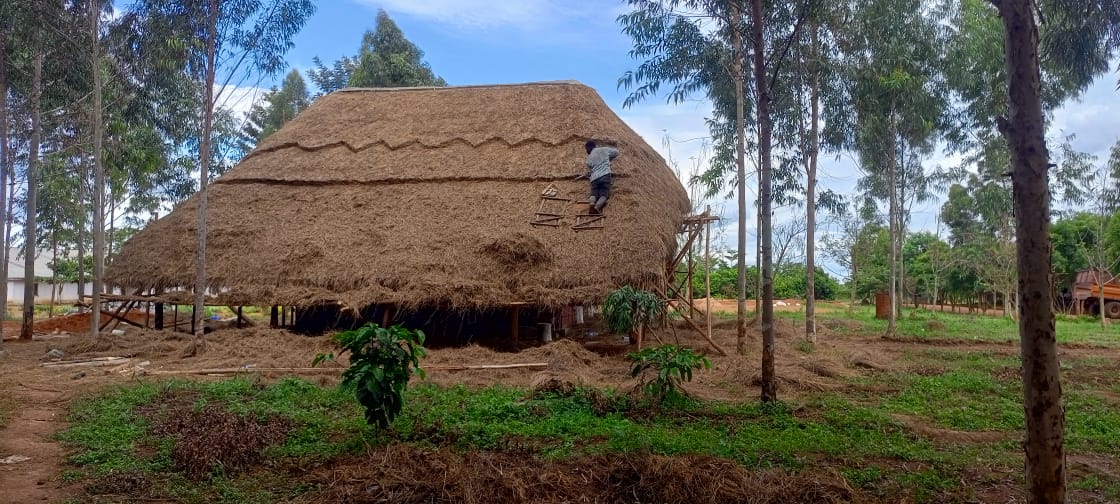
The choice of construction materials significantly influences a project’s environmental footprint. Wherever technically appropriate, builders can consider locally sourced materials, durable products, recycled materials, and alternatives with lower environmental impacts.
Using locally available materials can reduce transportation requirements and support local suppliers and businesses. However, every material should be assessed for quality, safety, suitability, durability, and compliance with applicable building standards.
Efficient Construction Waste Management
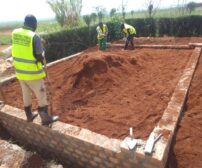
Construction and demolition activities often generate significant quantities of waste, including concrete, timber, metal, packaging, and soil.
Effective waste management begins with accurate planning and material estimation to prevent unnecessary purchases and offcuts. Materials that remain suitable for use can be recovered, reused, or recycled where appropriate, while hazardous waste must be handled and disposed of safely.
A well-managed construction site reduces waste, improves organisation, and helps control project costs.
Sustainable Site Planning and Design
Good site planning helps minimise environmental disruption while improving the functionality of a building. This includes considering the natural terrain, existing vegetation, drainage patterns, sunlight, prevailing winds, and surrounding developments.
Preserving suitable vegetation, controlling soil erosion, and planning effective stormwater drainage can help protect the site and its surroundings throughout construction and beyond.
Water and Energy-Efficient Building Systems
Sustainable buildings benefit from systems that use resources efficiently. Rainwater harvesting, low-flow plumbing fixtures, efficient lighting, and appropriately designed ventilation can help reduce operational demands.
Where feasible and suitable for the project, renewable energy solutions such as solar power can further reduce dependence on conventional energy sources.
Durable Construction and Preventive Maintenance
Sustainability is not limited to the construction phase. A building that deteriorates quickly may require frequent repairs, replacement materials, and additional resources.
Quality workmanship, suitable materials, proper waterproofing, effective drainage, and regular maintenance all contribute to extending a structure’s useful life.
Building for durability helps protect the owner’s investment while reducing the environmental burden associated with repeated repairs and premature reconstruction.
The Role of Technology in Sustainable Building
Modern construction technologies are creating new opportunities to improve project efficiency and environmental performance.
Digital design tools, including Building Information Modelling (BIM), can help project teams coordinate building systems, identify potential design conflicts, and estimate material requirements more accurately. Better coordination can reduce rework, material wastage, and avoidable delays.
Other innovations, such as prefabricated building components, smart energy management systems, and improved construction equipment, can also support more efficient use of materials, energy, and labour.
Selecting the right technology depends on the project’s objectives, budget, technical requirements, and available expertise. When applied appropriately, these tools can help deliver better-performing buildings with less waste.
Sustainable Construction in Uganda: Opportunities for the Future
Uganda’s growing towns and cities create opportunities to develop residential housing, commercial premises, industrial facilities, and public infrastructure that respond to both present needs and future environmental challenges.
Integrating sustainability into these projects can help address practical concerns such as energy consumption, water availability, stormwater management, construction waste, and building maintenance.
Developers, contractors, architects, engineers, suppliers, and property owners all have a role to play. By collaborating early in the project lifecycle, stakeholders can identify practical sustainability measures that suit local conditions without compromising structural integrity, safety, quality, or affordability.
Sustainable construction does not necessarily mean adopting expensive or complicated solutions. In many cases, careful design, accurate material estimation, proper site management, and quality workmanship can make a meaningful difference.
How Evita McCray Construction (U) LTD Supports Responsible Building
At Evita McCray Construction (U) LTD, we believe that modern construction should deliver more than functional structures. It should also consider durability, efficient resource use, responsible site practices, and long-term value.
By giving attention to material selection, construction quality, waste reduction, and practical design considerations, construction projects can achieve a better balance between development objectives and environmental responsibility.
We recognise that every project has unique requirements. For this reason, sustainable solutions should be considered in line with the project’s purpose, site conditions, budget, applicable standards, and long-term operational needs.
Our commitment to responsible construction reflects the broader goal of supporting built environments that serve people, businesses, and communities for years to come.
Building a More Sustainable Future
Sustainable construction is no longer simply an optional consideration in modern development. It is an important approach to building structures that are efficient, resilient, durable, and better aligned with environmental needs.
Through responsible material selection, energy and water conservation, effective waste management, innovative design, and quality workmanship, the construction industry can reduce its environmental footprint while delivering lasting value.
As Uganda continues to develop, adopting practical sustainable construction principles will be essential to creating buildings and infrastructure that support economic progress and environmental stewardship.
Evita McCray Construction (U) LTD remains focused on the importance of responsible building practices and the role they play in shaping a more sustainable built environment.
Planning a construction project? Consider how sustainable building practices can improve efficiency, durability, and long-term value. Contact Evita McCray Construction (U) LTD to discuss your construction requirements and explore solutions suited to your project.