



Building Safely: The Role of Health and Safety Standards in Construction Projects
Construction is essential to economic growth, infrastructure development, and community transformation. From residential buildings and commercial facilities to roads and industrial structures, every construction project contributes to shaping the spaces where people live, work, and do business. However, behind every successful project lies a critical responsibility: protecting the health, safety, and well-being of everyone involved.
At Evita McCray Construction (U) LTD, we recognise that safety is a fundamental part of responsible construction. Implementing effective health and safety standards helps prevent accidents, protects workers and the public, improves project efficiency, and promotes the delivery of quality construction outcomes.
Understanding Health and Safety Standards in Construction
Health and safety standards are guidelines, procedures, and legal requirements designed to minimise risks associated with construction activities. Construction sites often involve heavy machinery, elevated working areas, electrical installations, hazardous materials, and physically demanding tasks. Without proper safety measures, these activities can expose workers and visitors to serious injuries and other health risks.
Effective safety management begins with identifying potential hazards, assessing the risks they present, and implementing appropriate controls before work begins. It also requires continuous monitoring, regular training, and a shared commitment to maintaining safe working conditions throughout the project lifecycle.
In Uganda, construction companies must also pay attention to applicable occupational safety and health legislation, building requirements, and relevant industry standards to ensure their projects are executed responsibly.
Why Health and Safety Standards Matter in Construction Projects
1. Protecting Workers and Preventing Accidents
Construction workers are exposed to various hazards, including falling objects, unstable structures, slippery surfaces, unsafe scaffolding, and contact with electrical equipment. Appropriate safety procedures help reduce these risks and create a safer working environment.
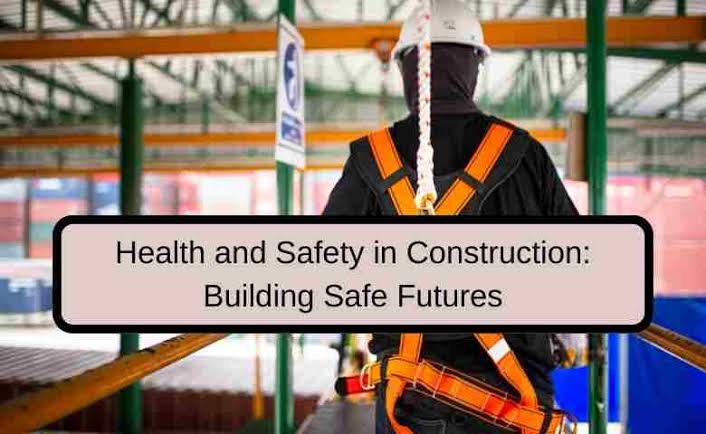
Measures such as providing personal protective equipment (PPE), installing guardrails, securing excavation areas, maintaining machinery, and ensuring proper use of tools are essential for accident prevention.
Employers and site supervisors must ensure that workers understand the risks associated with their tasks and have the equipment, training, and supervision necessary to perform their duties safely.
2. Ensuring Compliance with Legal Requirements
Health and safety compliance is a key responsibility for construction companies. Following applicable laws, regulations, and industry standards helps organisations meet their legal obligations and demonstrate responsible project management.
Construction companies should establish clear safety procedures, maintain appropriate records, conduct site inspections, and ensure that workers receive relevant safety training. They should also monitor changes in applicable regulations and update their practices accordingly.
A proactive approach to compliance reduces the likelihood of avoidable incidents, regulatory penalties, project interruptions, and reputational damage.
3. Improving Project Efficiency and Productivity
Safety and productivity are closely connected. Accidents can result in work stoppages, equipment damage, medical expenses, investigations, and delays in project completion. Poor working conditions can also affect employee morale and performance.
By integrating safety into daily construction activities, project teams can minimise disruptions and maintain more consistent progress. Clear communication, organised workspaces, properly maintained equipment, and well-defined procedures help workers complete their tasks efficiently.
Investing in safety measures from the beginning is therefore not simply an additional project expense. It is a practical investment in operational efficiency and long-term project success.
4. Maintaining Construction Quality
Safe construction practices also contribute to quality workmanship. Workers who have the right equipment, appropriate training, and suitable working conditions are better positioned to perform tasks accurately and consistently.
For example, properly installed scaffolding provides a stable platform for elevated work, while adequate lighting helps workers identify construction details and potential defects. Safe material handling and organised storage also reduce the risk of damage to building materials.
When safety is incorporated into project planning and execution, construction teams can work towards meeting established specifications, quality requirements, and client expectations.
5. Protecting Clients, Visitors, and Surrounding Communities
Construction sites do not operate in isolation. Members of the public, neighbouring businesses, property owners, suppliers, and project visitors may also face risks if appropriate precautions are not taken.
Effective site management should include controlled access points, visible warning signs, secure boundaries, designated pedestrian routes, and safe delivery procedures. Dust, noise, falling debris, and the movement of construction vehicles should also be managed to minimise disruption and protect surrounding communities.
These precautions demonstrate professionalism and help build trust between construction companies, their clients, and the communities in which they operate.
Essential Health and Safety Practices on Construction Sites
Maintaining a safe construction site requires consistent action and cooperation among contractors, supervisors, workers, suppliers, and other stakeholders. Some of the most important practices include:
Personal Protective Equipment (PPE): Workers should receive and correctly use appropriate protective equipment, including safety helmets, protective footwear, gloves, high-visibility clothing, eye protection, and fall-protection equipment where required.
Risk Assessments: Potential hazards should be identified before activities begin. Risk assessments help determine the appropriate preventive measures and ensure that high-risk tasks receive adequate attention.
Working at Height: Ladders, scaffolding, platforms, and fall-protection systems must be selected, inspected, and used correctly. Workers should receive suitable training before undertaking elevated tasks.
Equipment Inspection and Maintenance: Construction machinery, electrical tools, lifting equipment, and other work equipment should be maintained and inspected at appropriate intervals to reduce the risk of malfunction and injury.
Site Housekeeping: Keeping work areas clean and organised helps prevent slips, trips, falls, fires, and injuries caused by improperly stored materials or discarded construction waste.
Emergency Preparedness: Construction sites should have appropriate first-aid arrangements, accessible emergency equipment, clear evacuation procedures, and trained personnel who understand their emergency responsibilities.
Worker Training and Communication: Regular safety briefings, toolbox talks, induction sessions, and clear reporting procedures help workers recognise hazards and understand how to respond to unsafe conditions.
These measures should be adapted to the specific risks, activities, size, and complexity of each construction project.
Building a Strong Health and Safety Culture
Although written procedures and protective equipment are essential, effective safety management goes beyond rules and checklists. It requires a workplace culture in which everyone understands that safety is a shared responsibility.
Project managers and site supervisors play an important role by setting clear expectations, leading by example, and ensuring that safety concerns are addressed promptly. Workers should also feel encouraged to report hazards, raise concerns, and stop work when an immediate danger requires intervention.
Regular inspections, incident reporting, safety performance reviews, and lessons learned from previous projects can help organisations identify weaknesses and continuously improve their procedures.
Most importantly, construction teams should never treat safety as an obstacle to meeting deadlines. A project is not truly successful if it is completed at the expense of human life or well-being.
The Role of Health and Safety in Sustainable Construction
Sustainable construction involves more than selecting environmentally responsible materials or reducing waste. It also includes protecting the people who design, build, maintain, and use the resulting structures.
Strong health and safety practices support sustainable business operations by reducing workplace injuries, preventing avoidable losses, strengthening employee confidence, and encouraging responsible resource management.
Construction companies that prioritise safety are better positioned to establish lasting relationships with clients, attract skilled workers, and demonstrate their commitment to professional standards. Over time, these practices can contribute to stronger business performance and more resilient construction operations.
Conclusion
Health and safety standards are essential to the successful delivery of construction projects. They protect workers and surrounding communities, support legal compliance, improve productivity, safeguard construction quality, and strengthen the reputation of construction companies.
At Evita McCray Construction (U) LTD, we believe that building responsibly means giving safety the attention it deserves at every stage of a project, from initial planning and site preparation to construction and final handover.
By promoting risk awareness, investing in appropriate safety measures, maintaining equipment, and encouraging a strong safety culture, construction professionals can create safer working environments and deliver projects with greater confidence.
Building safely is not just a requirement; it is a commitment to quality, responsibility, and a better-built future.